The formula · Outfit Formulas
Three White Tees, Compared by Yarn, Fit and Neckline
Three white tees compared by jersey construction, neckline and published measurements, with notes on which cut suits layering or wearing alone.

What separates a white tee that lasts three summers from one that becomes a sleep shirt is not visible on a hanger. It is the number of plies in the yarn, the density of the knit, the width and recovery of the neck rib, and the distance from shoulder to hem. Three widely sold tees publish different parts of that list. None publishes all of it, and none publishes weight in grams per square meter.
What the three product pages publish
Grams per square meter is the number most buyers want and the one least often supplied. It is measured on a cut specimen of fabric, weighed and converted, which is why it appears on mill spec sheets and fabric listings more often than on a retail product page. COS, in its published cotton care guidance, gives a range for its T-shirt weights of 115 to 340 GSM. That is a scale rather than a specification for any single style, and it shows how wide the category is: the lightest tee in that range weighs less than half the heaviest.
What the three pages do publish is narrower and more useful. Quince states the yarn structure, a 2-ply slub jersey. Uniqlo states the fiber, 100% Supima cotton. Everlane states the cut and the length, relaxed and slightly cropped, in 100% organic cotton. Each of those is a decision a wearer can feel, and each is checkable against the garment when it arrives. A comparison built on them is honest about what it does not know, which is the weight in grams and the body length in inches.
That gap is not a failure of the brands. A product page is written to sell one garment to many bodies, and the figures that decide fit are the figures a size chart holds. Where the chart stops, the tape measure starts.
Ply, gauge and why white shows what it shows
White does not hide a thin knit; it advertises it. The fiber itself blocks very little light. What blocks light is the density of the intersections, the size of the spaces between yarns, and the amount of fiber packed into each yarn. A 2-ply yarn twists two strands together before knitting, which makes it rounder and more even, and an even yarn can be knitted tighter without producing a corded, stiff surface. A single-ply yarn at the same weight has thinner spots, and the thin spots are where a white tee turns transparent under a downlight.
Slub reverses that logic on purpose. The yarn is deliberately irregular, thick in places and thin in others, so the cloth has texture and a slightly uneven face. The unevenness scatters light and breaks up the outline of whatever sits underneath, which is why a slub tee often reads more opaque than a smoother jersey of similar weight. It also means the tee will never look pressed.
The third variable is the neckline, and it is the one most likely to end a tee’s life early. A crew neck cut close to the throat keeps the eye on the face; a wider scoop exposes the inner edge of a bra strap and makes the tee a layer rather than a standalone garment.
The lightweight layer: Quince Slub Crew
Quince’s 100% Organic Cotton Slub Crewneck Tee is USD 21 and carries 2,615 reviews on its US product page. It is 100% organic cotton in a 2-ply slub jersey, pre-shrunk, with a straight fit and set-in sleeves, made in India. The set-in sleeve matters under a jacket: a raglan or dropped shoulder adds fabric at the armhole, and that added fabric is what bunches when a blazer goes on over it.
The texture is the reason to choose it and the reason not to. Under a wool jacket the surface reads as cloth rather than underwear, and the slight irregularity hides the line of a bra band better than a flat jersey does. Worn alone with a crease-front trouser it reads casual, because slub cannot hold a sharp shoulder or a flat hem.
Body length is not published, so the tee has to be judged against a waistband in person, or against the garment length if the size chart supplies one. That is the main risk in buying it: the fit is straight rather than boxy, and on a long torso a straight tee can end above the hip bone and leave a gap when tucked. This is the pick for layering and for warm rooms, not for a pressed look.
The dense classic: Uniqlo SUPIMA
Uniqlo’s Unisex SUPIMA Cotton T-Shirt is USD 24.90 and holds a 4.7 rating from more than 999 reviews on the US product page. It is 100% Supima cotton, a long-staple fiber, which spins into a smoother and stronger yarn with fewer short fibers protruding from the surface. The visible result is a flat, clean face; collar life still depends on the rib, which Uniqlo does not publish.
The block is the catch. Unisex here follows men’s sizing, with the neckline, body width and sleeve length adjusted away from an oversized shape but not redrawn for a women’s shoulder. A buyer who normally takes a women’s cut should compare the published chest measurement against a tee that already fits, not the alpha size, because the shoulder will sit wider and the body straighter than the label suggests. On a narrow shoulder the seam hangs past the shoulder point, and that is a fit problem no alteration fixes cheaply.
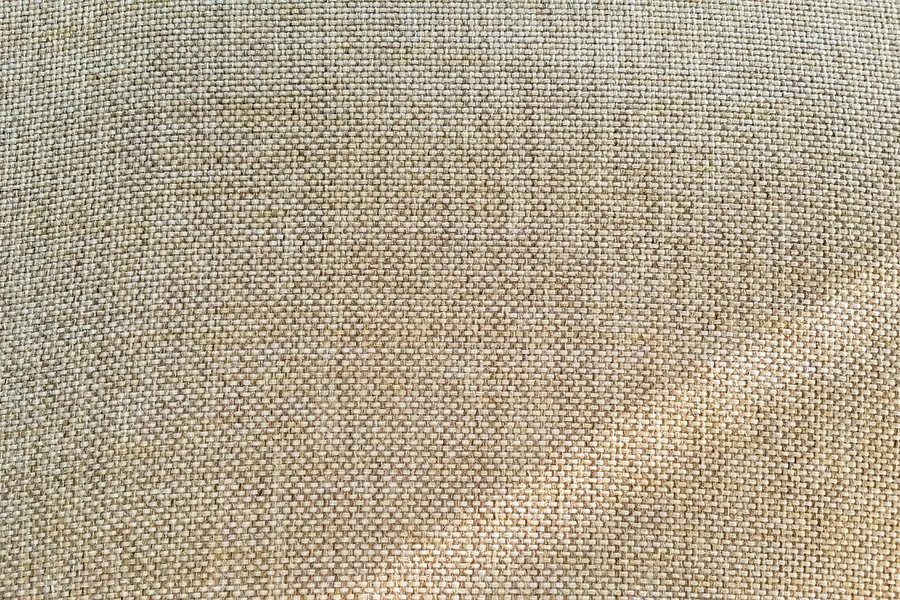
What the Supima fiber buys is surface, not thickness. Long staple means fewer fiber ends, and fewer fiber ends mean less pilling and a smoother print-free face. It does not mean the tee is heavy, and Uniqlo does not publish a weight for it. A buyer who wants a tee that stands away from the body under hard light should treat that as an open question rather than a promise.
The boxy short one: Everlane Box-Cut
Everlane’s The Box-Cut Tee in Essential Cotton is USD 34 on the US site, or three for USD 69. It is 100% organic cotton, relaxed through the body and slightly cropped, and the width sits in the body rather than the shoulder. That combination does one thing well: it puts a horizontal line just below the waistband of a high-rise trouser, which is the proportion a wide leg needs.
It does several things badly. On a long torso the crop lands above the waistband and leaves a gap that no tuck can close. Under a fitted blazer the extra body width has nowhere to go and gathers at the armhole. And the short length cannot be tucked deep enough to stay, so the tee is either worn out or not worn at all with a low-rise bottom. None of these is a defect in the garment; they are mismatches between a cut and a body.
The three-for offer is worth reading carefully, because it changes the cost calculation rather than the fit. Buying three identical tees solves replacement but not variety, and a boxy cut is the hardest of the three to wear in more than one position.
The neck rib is a separate garment
The collar on a crew tee is a knitted rib, made on a different machine from the body, attached with a seam and usually containing some elastane. Its recovery is set by three things: the width of the rib, the elastane percentage in it, and how much the seam stretched when it was attached. A narrow binding has little material to spring back, which is why inexpensive collars go wavy long before the body of the tee shows any wear.
None of the three pages publishes rib width, so the check is physical. Fold the collar in half and release it; a rib with recovery returns flat. Look at the depth of the band: roughly 10 mm or more gives the attaching seam something to hold, while a 5 mm binding has almost nothing. Store tees folded rather than hung, because a hanger loads the shoulder seam and the collar is the first thing to distort.
There is a limit to what inspection can tell you. A rib can feel springy in the shop and still relax after a season of washing, because elastane loses recovery with heat and mechanical action. The honest position is that collar life is the least predictable part of a white tee, and the cheapest way to manage it is to buy the collar you can inspect rather than the one described in copy.
Shrinkage, whiteness and what the wash costs
Three of the four failures in a white tee are care failures rather than buying failures. Cotton shrinks when it is heated and agitated; pre-shrunk jersey has had some of that movement taken out, but not all of it, and the dryer is the variable the buyer controls. COS’s cotton guidance is to hang the garment to dry, and the reason is mechanical rather than cautious: heat relaxes the tension the knit was finished under, and the garment does not return to its original dimensions.
Whiteness fails differently. Cotton does not yellow because it is dirty; it yellows because fiber ends oxidize and because detergent residue holds soil in the yarn. Chlorine bleach attacks cellulose and leaves white cloth gray over time, which is why oxygen-based bleach is the standard recommendation for cellulosic fiber. Wash cold, skip the dryer, and the tee keeps its length and its color. The tuck or untuck decision then depends on the hem you bought rather than the hem the dryer left you.
The care burden varies by construction. A slub jersey shows the effect of a hot wash less than a smooth jersey, because the surface is already uneven. A dense Supima knit shows it more, because a flat face makes any distortion visible. The difference is not in the fiber but in how much the garment tells on you when a wash goes wrong.
Which tee earns its place
For layering under a jacket, the Quince Slub Crew has the lowest bulk and the most forgiving surface. For wearing alone, the Uniqlo SUPIMA has the smoothest face and the collar most likely to survive a year of washing. For a high-rise, wide-leg proportion on a short torso, the Everlane Box-Cut does the shaping that no amount of tucking achieves.
What the group cannot do is act as a heavyweight. None of the three publishes a GSM figure, and none is sold as a heavy tee. A 240 GSM cotton jersey is a different garment with a different drape, and it belongs in the layer slot rather than the base slot. Buyers who need an opaque white tee for stand-alone wear under hard light should treat weight as the first filter and the neckline second, then use the cut to decide between brands. The same logic runs through two weights, one layer, where the weight of the tee decides what can go over it.
One more caution on price. The gap between USD 21 and USD 34 buys a different cut and a different fiber story, not a longer life. All three are single-season garments under hard wear, and all three are replaceable. The tee worth spending on is the one whose length, collar and opacity survive the first ten washes, and that is a question the product page cannot answer for you.
The shortlist
What we would pick
Some links below are affiliate links — we may earn a commission at no extra cost to you.
Three tees, three jobs: the Quince slub for layering under a jacket, the Uniqlo Supima for a dense standalone with a collar that holds, and the Everlane box cut for a high-rise proportion on a short torso. None of the three publishes GSM, body length or neck-rib width, so the decision rests on yarn structure, cut and the hem you can see rather than a weight number. The group cannot substitute for a heavyweight tee, and none of the three is sold as one. What separates them at the checkout is less the price gap than the body each cut was drawn for.
- Range compared
- 3 tees, USD 21-34
- Fabric
- 100% cotton, three constructions
- Key spec
- Yarn ply and hem length
- Suits
- Layering under a jacket
- Care
- Cold wash, line dry
100% Organic Cotton Slub Crewneck Tee
USD 21Quince
A 2-ply slub jersey with a straight fit and set-in sleeves, pre-shrunk and made in India. The slub yarn gives the surface a visible texture rather than a flat face, which scatters light and hides the line of a bra band better than a smooth jersey does. Quince describes the fabric as soft and lightweight, and body length is not published, so the hem has to be judged against a waistband in person or against a garment length on the size chart. It is not a crisp tee and will not hold a flat hem, and the straight cut can leave a gap on a long torso when tucked. Care is the usual risk rather than a special one: heat removes the margin that pre-shrinking was meant to buy.
- Fabric
- 100% organic cotton, 2-ply slub jersey
- Weight
- Lightweight; GSM not published
- Fit
- Straight, set-in sleeves
- Body length
- Not published
- Reviews
- 2,615 on the US product page
Unisex SUPIMA Cotton T-Shirt
USD 24.90Uniqlo
A 100% Supima cotton tee cut on a unisex block that follows men's sizing, with the neckline, body width and sleeve length adjusted away from an oversized shape. Supima is a long-staple fibre, which spins into a finer, smoother yarn with fewer short fibre ends at the surface, so the face reads flat and is slower to pill than a short-staple cotton. Uniqlo describes the long-staple cotton as giving a fine, smooth texture and a clean surface, and the page carries a 4.7 rating from more than 999 reviews. The straight unisex shoulder is the limitation: on a narrow frame the seam sits past the shoulder point, and the chest measurement matters more than the alpha size. No body length is published, so the tuck decision waits until the parcel arrives.
- Fabric
- 100% Supima cotton
- Weight
- Not published
- Fit
- Unisex, classic
- Neck
- Crew; rib width not published
- Reviews
- 4.7 from more than 999 on the US page
The Box-Cut Tee in Essential Cotton
USD 34Everlane
A 100% organic cotton tee with a relaxed body and a slightly cropped hem, sold at USD 34 or three for USD 69. The width is in the body rather than the shoulder, so it sits square over a high-rise waistband and gathers at the armhole under a fitted blazer. It is the only one of the three cut short enough to change the proportion of a trouser, which is both the reason to choose it and the reason it fails on a long torso. Weight and body length in inches are not published; the phrase slightly cropped is the only guidance on the page. Care matters more here than on the other two, because a cropped tee that shrinks loses the one measurement the cut depends on.
- Fabric
- 100% organic cotton
- Weight
- Not published
- Fit
- Relaxed, boxy
- Body length
- Slightly cropped
- Price note
- USD 34 each, or three for USD 69
| Specification | Quince Slub Crew | Uniqlo SUPIMA | Everlane Box-Cut |
|---|---|---|---|
| Price | USD 21 | USD 24.90 | USD 34 |
| Fabric | 100% organic cotton | 100% Supima cotton | 100% organic cotton |
| Yarn | 2-ply slub jersey | Not published | Not published |
| Fit | Straight, set-in sleeves | Unisex classic | Relaxed, boxy |
| Body length | Not published | Not published | Slightly cropped |
| Weight (GSM) | Not published | Not published | Not published |
| Best worn | Under a jacket | Alone, with denim | With a high-rise, wide leg |
Where these numbers come from
Frequently asked
- Does a heavier white tee stay opaque longer?
- Weight helps, but yarn ply and stitch density matter as much. A 2-ply cotton at a moderate weight can be more opaque than a heavier single jersey. Check the neckline and hem for show-through, since white cotton rarely blocks light completely.
- Why do white tee necklines stretch out?
- The neck rib is a separate piece with its own recovery. A narrow rib made from a thin yarn loses shape first. Look for a rib at least 10 mm wide with some elastane, and wash the tee inside a mesh bag.
- Should a white tee be washed after every wear?
- Usually yes, because the fabric sits next to skin. Wash cold and line dry; heat is what shrinks cotton and dulls white over time. An oxygen bleach, not chlorine, is the safer option for keeping white cotton white.