Method · Buying Guides
How to Read a Size Chart: Body vs Garment Measurements
How to read a size chart: the difference between body and garment measurements, how much ease a brand builds in, and which column to trust.
Two size charts on the same brand’s site can disagree about the same body. One lists a chest range for each alpha size. The other lists a flat width for the finished garment. Read the first and you learn who the brand thinks you are; read the second and you learn what will arrive in the bag. The second is the useful one, and the arithmetic between them is where most returns begin.
Body measurements describe a customer
A body chart maps height, chest, waist and hip onto XS through XL, normally as a range per size rather than a single figure. A men’s tops chart might give XXS as a 33 to 35 inch chest and XXL as 45 to 47 inches, which is a statement about the people the brand has decided a size is for. It carries no information about the garment.
Body charts are the industry default because they are cheap to publish and hard to argue with. They also explain why two people with the same chest can need different sizes: the chart has no opinion about how the garment should sit, whether it will be tucked, or what will be worn underneath.
Garment measurements describe what arrives
A garment chart gives the finished piece, measured flat. Chest width is taken pit to pit, shoulder width seam to seam, body length from a stated point that is usually the high point of the shoulder, and sleeve length either from the shoulder seam or from the center back.
Because a flat width is half a circumference, a 20 inch pit-to-pit measurement is a 40 inch chest. That doubling is the single most common error in reading these charts: a 20 inch width sounds small next to a 38 inch body, and the garment is in fact two inches larger all the way around.
Ease is already inside the garment number
This is the part that decides whether the purchase works. The garment measurement already contains the ease the designer built in. A 38 inch chest in a garment cut to 42 inches gives four inches of ease, which is a relaxed layer. The same body in a 40 inch garment gives two inches, which is a fitted knit. Neither is wrong; they are different garments.
The practical consequence is that you must not add ease twice. If you decide a sweater should be four inches larger than your chest, then buy a garment that measures 42 inches, you have done the sum correctly. If you add four inches to your chest and then pick the size whose body range fits the new number, you are reading a body chart and adding ease on top of ease the brand already applied, which lands you a size or two above the one you wanted.
Sizing up for layering follows the same rule. It is correct on a body chart, where the size is a person. On a garment chart it is usually wrong, because the layer you plan to wear underneath was not part of the measurement. Check whether the chart is describing a body or a piece of clothing before you act on it. Shoulder seam placement applies the same reasoning to the one measurement that decides whether a jacket reads as oversized or as borrowed.
How to take the numbers yourself
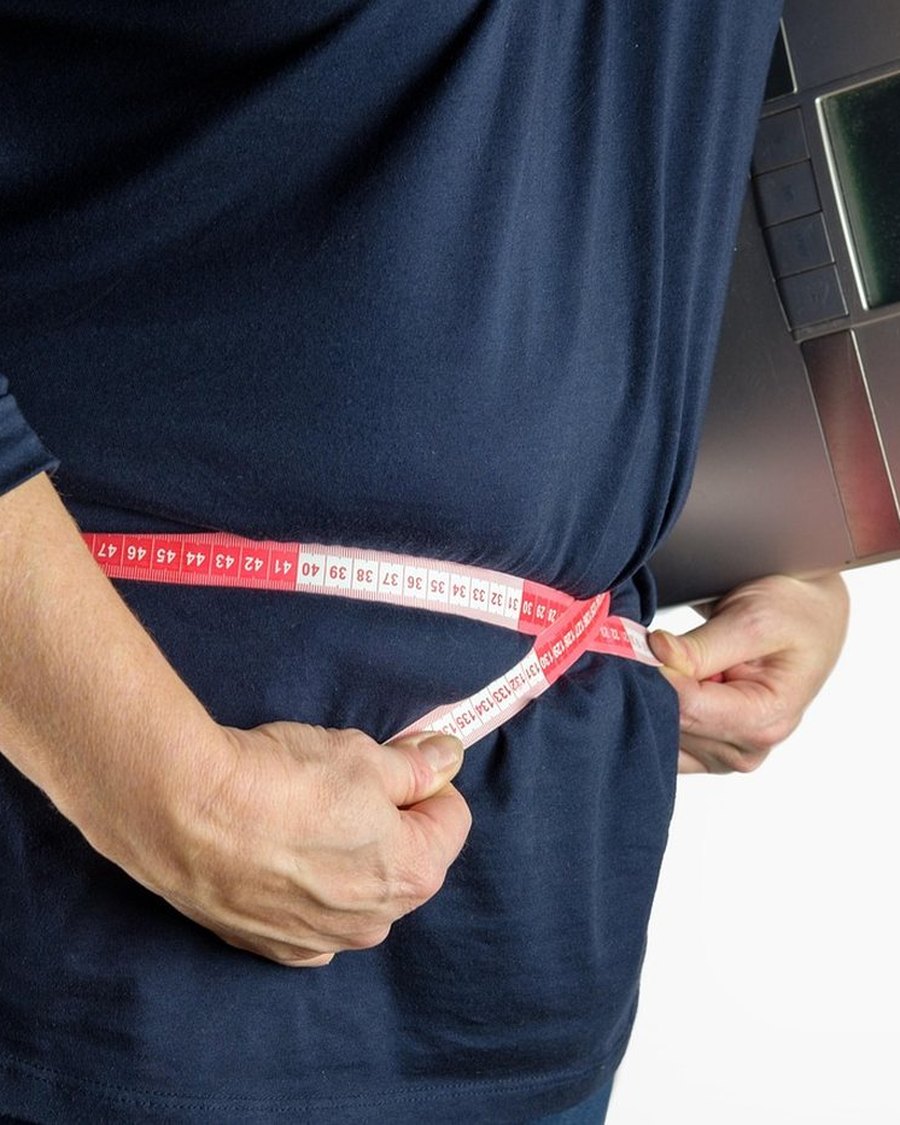
For the body, measure the chest at its fullest point with the tape level under the arms, over the shirt you would wear beneath the garment. Measure the waist at its natural narrow point rather than where a trouser band sits, and the hip at the fullest point with feet together. Keep the tape snug but not tight, and write the numbers down once rather than re-measuring every purchase.
For a garment you already own and like, button or zip it, lay it flat without stretching, and measure straight across from seam to seam. Double that figure for the circumference. Measure length from the high point of the shoulder, which is where the shoulder seam meets the neckline, straight down to the hem. Measure the sleeve from the shoulder seam to the cuff, and note that if the brand quotes from center back, the same sleeve will read several inches longer because the number includes half the back.
The columns most charts leave out
Body length is the measurement that changes an outfit and the one most often missing. It decides whether a hem meets a waistband or covers it, which is why a size that fits the chest can still be the wrong size. When length is given for one size only, expect it to move roughly half an inch per size, and treat the figure as an estimate rather than a specification.
Sleeve length is the second omission, and the method matters more than the number. Shoulder width is the third: a garment with two extra inches at the shoulder will hang off the arm rather than sit on it, whatever the chest measurement says.
Trousers: waist is the least useful figure
A trouser chart usually leads with waist and inseam because those are the numbers customers ask for, and both are weaker than they look. Waist bands are subject to vanity sizing, so a 32 on one chart is a 34 on another. Inseam is measured from the crotch seam to the hem, and it says nothing about where the waistband sits.
Front rise does. It is measured from the crotch seam to the top of the waistband, band included, and it decides whether the trouser sits on the hip or above the navel. A pair can match your waist and still be unwearable because the rise is an inch lower than the one you own. Rise, explained in numbers sets out what each inch does to the line. Leg opening is the third number to check, measured flat across the hem and doubled, because it decides which shoes the trouser will take.
Knits stretch, so a knit chart is a floor
A ribbed knit stretches to meet the body, which is why knit charts are usually body charts. That shortcut is reasonable, with one caveat: a knit cut close to the body will read as shapewear over a shirt, and a knit cut with two inches of ease will not. If the brand gives only a body range, size for the layer underneath rather than for the skin.
Measured flat, a knit also gives a misleading number, because a jersey or rib will pull several inches wider than its resting width. Treat the flat measurement as the minimum and the body chart as the intent. The same caveat applies to woven fabrics with elastane: the percentage on the label tells you how much the garment will move, and the composition tells you how it will behave after ten washes.
What to do when the chart is thin
When a brand publishes no garment measurements at all, buy from the body range and choose the size whose range you sit in the middle of, not at the edge. Then plan around the returns policy rather than the chart: check whether return shipping is paid, and price the alteration you are likely to need. Taking in a waist costs roughly $15 to $25 at a dry cleaner, and shortening a hem is similar, so a garment that fits in two of three dimensions is usually worth keeping.
The habit that survives all of this is comparison. Keep the chest, length and sleeve of one garment you already wear and like, and convert every chart into those three numbers before you buy.
Frequently asked
- What is the difference between body and garment measurements?
- Body measurements describe the person the size is cut for. Garment measurements describe the finished piece, taken flat across the chest, waist or hem. The gap between the two is the ease the designer built in, and it is the number that decides whether the thing fits.
- Should I size by my chest or by the garment width?
- Use the garment width when a brand publishes it, and compare it with a garment you already own that fits. Use body measurements only when the chart has no garment column, and then accept that the fit you get is the brand's idea of ease, not yours.
- Why does the same size fit differently in two brands?
- Because alpha sizes are not standardized. A medium in one brand is a body chest range, in another it is a garment width, and in a third it is a fit label with no numbers attached. Only measurements travel between brands.