The formula · Outfit Formulas
The Linen Set Formula, and Why Most Sets Fail at the Shoulder
A matching linen set fails at the shoulder and armhole, not the color. The measurements to check before the first wash, and how to wear the top if it shrinks.

A linen set looks solved on the hanger: one cloth, one dye, two pieces that cannot clash. The failure appears after the first wash, when the armhole has tightened and the shoulder seam has climbed toward the neck. Color matching is the easy part. The shoulder, the armhole and the openness of the weave decide whether the set keeps its line or becomes a shirt that only works worn open over something else.
The shoulder is the only structural seam in the set
The body of a linen set is simple: a straight front, a waistband, a hem. The shoulder is the one place where the top has to hold a shape, and it is where inexpensive sets are cut to save cloth. A drop shoulder pushes the seam down the arm and survives a loose fit. A set-in shoulder has to sit on the bony point of the shoulder, which means the pattern has to be right rather than merely relaxed.
Lay the top flat and measure seam to seam across the back. More than an inch wider than the wearer’s own shoulder means the set is cut relaxed and the armhole will be deep. Narrower than the wearer’s shoulder on a shirt meant to be worn open means the back will pull as soon as the arms come forward. The landing rules are the same as for a jacket, and they are set out in shoulder seam placement.
Armhole depth is the number that predicts failure
Measure from the shoulder seam to the underarm seam, flat. On a size M, 8 to 9 inches is a close armhole; 10 inches or more is cut to layer. Neither is wrong in itself. The error is matching the depth to the wrong intention: a close armhole on a shirt styled open over a tank pulls across the back and will not hang cleanly, while a deep armhole on a shirt worn closed shows the tee underneath at the chest and gaps at the side.
Linen has no elastic recovery. An armhole stretched by a hanger stays stretched, and a shoulder pulled off a narrow hanger over a season will not return. Dry the shirt flat and store it folded or on a hanger wide enough to support the seam, rather than on a thin wire one.
Shrinkage reaches the hem before the shoulder
Linen takes up length along the warp in the first wash, and the amount depends on how the cloth was finished. Garment-washed linen has been shrunk before cutting and moves little; a raw or lightly washed finish can move several percent. The shoulder seam moves less than the hem because there is less length to lose between the neck and the arm than between the shoulder and the waist. That is why a set can still fit at the shoulder and look wrong at the waist.
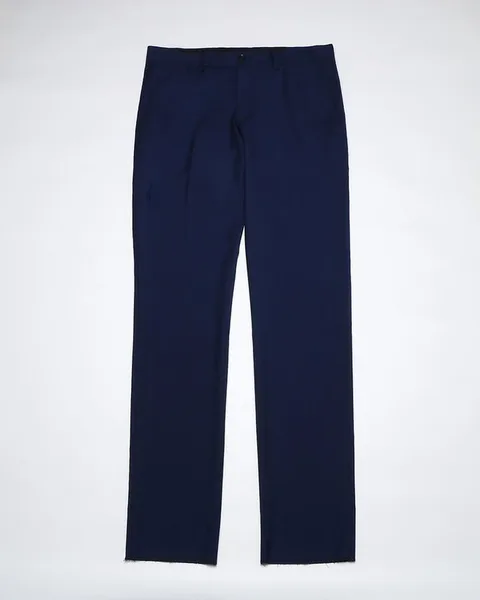
The trouser moves as well, in a different direction: the inseam shortens, the waistband tightens slightly and the seat lifts. A top that loses an inch of body length against a trouser that keeps its rise turns a matched pair into a cropped top over a high waistband. Wash both pieces together, cold, and dry them flat. Measure body length and inseam before the first wash and again after, because the care label will not say which finish the cloth had.
Weave openness decides what the set reads as
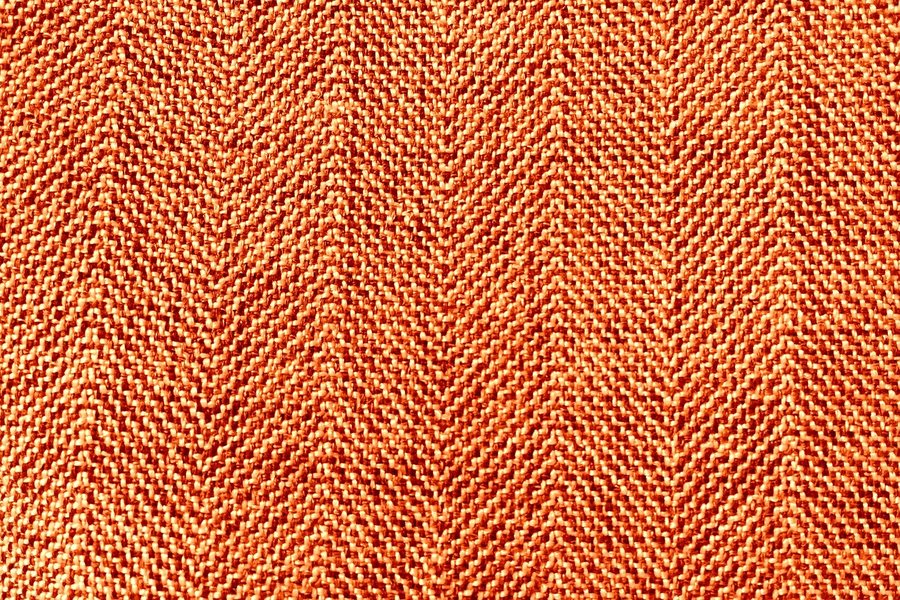
Hold the shirt up to a window. If a dark undershirt shows as a gray shape through the cloth, the weave is open enough that two such pieces worn together will read as sleepwear regardless of the cut, because the same transparency at the shoulder and the thigh signals a garment that was not meant for daylight. A shirt that hides the undershirt completely is dense enough to carry a matching trouser.
The fix is a weight mismatch in the right direction: a denser trouser under an open shirt, or a top with a doubled yoke over an open trouser. Pocket bags are the tell. A pale linen trouser with a white pocket bag shows the bag’s outline at the hip, and no amount of pressing removes it; a trouser with a matched pocket bag does not. Linen shirts compared covers the same weight question at the top half.
The three measurements to take before the first wash
Measure the top flat, then compare each number with a shirt that already works on the same body.
| Measurement | Where it is taken | Failure threshold |
|---|---|---|
| Shoulder width | Seam to seam across the back | More than 1 in wider than the wearer |
| Armhole depth | Shoulder seam to underarm seam | Under 9 in on a size M for an open shirt |
| Body length | High point of shoulder to hem | Ends above the waistband when untucked |
The third number only means something against the trouser’s rise. A 25-inch body length over an 11-inch rise leaves enough shirt to tuck; the same shirt over a 9-inch rise ends below the waistband and can be worn out. A top that measures 23 inches does neither cleanly on most frames, which is why the set becomes a top for layering rather than a standalone piece.
What to check on the trouser
The trouser is the adjustable half, but only within limits. A hem can be raised or lowered by an inch or two if the original turn-up allows it. A waist can be taken in about an inch before the pockets start to distort. A rise cannot be changed at all without recutting the crotch, which no high-street tailor will quote for a linen trouser.
Check the waistband construction before the first wash. A faced waistband with a fusible interlining can pucker when the linen shrinks around it, and the band will then sit away from the body at the back. A self-fabric band with no fusible moves with the cloth. Also check the seam allowance inside: a 1-inch allowance gives a tailor room to let out a tight hip, and a serged 0.5-inch allowance does not.
If the top is the weak piece
Wear the shirt open over a tank and the armhole stops mattering, because the vertical front edges do the proportion work and the side body hangs free. A half-tuck, with the front hem caught at the waistband and the back left out, keeps the set reading as one piece without demanding a long body. The tuck-or-untuck decision is more reliable here than any styling rule.
Weight is the other variable. A light linen shirt over a heavy linen trouser separates visually even when the dye matches, because the two pieces catch light differently. The same weight logic that governs a hot office applies to sets. If the shoulder is already relaxed, keep the two weights close and let the shoulder width carry the shape rather than adding a layer to disguise it.
A set that fails at the shoulder is not a bad purchase if the top was bought for the trouser. It is a bad purchase if the top was the reason for buying, which is why the shoulder measurement belongs before the order rather than after the first wash.
Frequently asked
- Why does a linen set shrink unevenly?
- The top and the trouser are cut from the same fabric but not in the same direction. A shirt loses length along the warp; a wide trouser leg can lose width. Washing both pieces together, cold, and drying them flat keeps the change closer to even.
- Should a linen set be bought true to size or oversized?
- Buy the shoulder width you already wear. Linen has no elastic recovery, so an oversized armhole stays oversized rather than settling back. If the shirt is unlined and meant to be worn open, one size up is workable; otherwise stay with your measured size.
- Can a linen shirt be worn with non-matching linen trousers?
- Yes, provided the weights are close. A light shirt over a heavy trouser reads as two outfits, while two mid-weight pieces read as one. Compare the hand and the opacity, since most linen labels do not print GSM.